FOCUS AREAS
Focus Areas
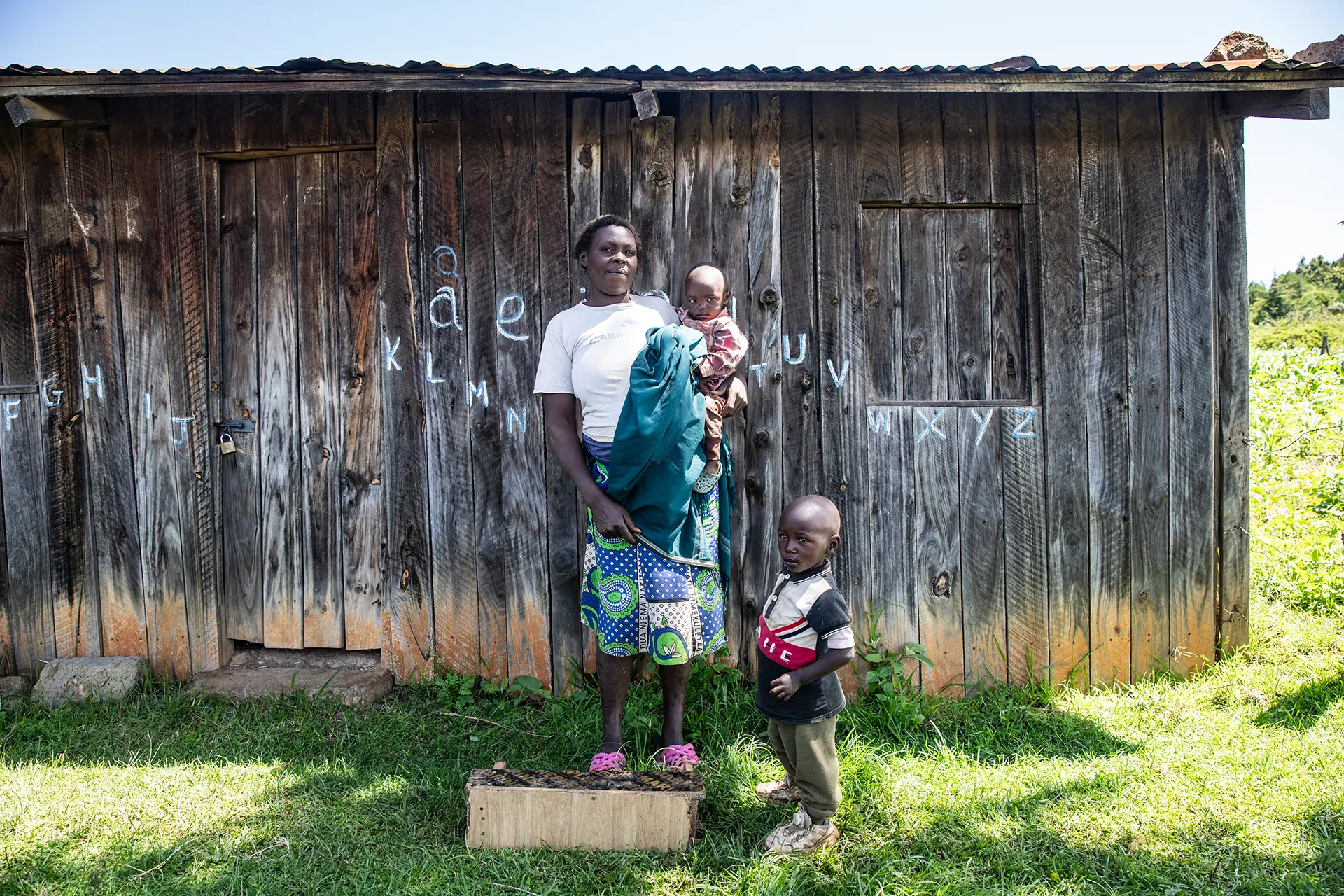
Maternal Health
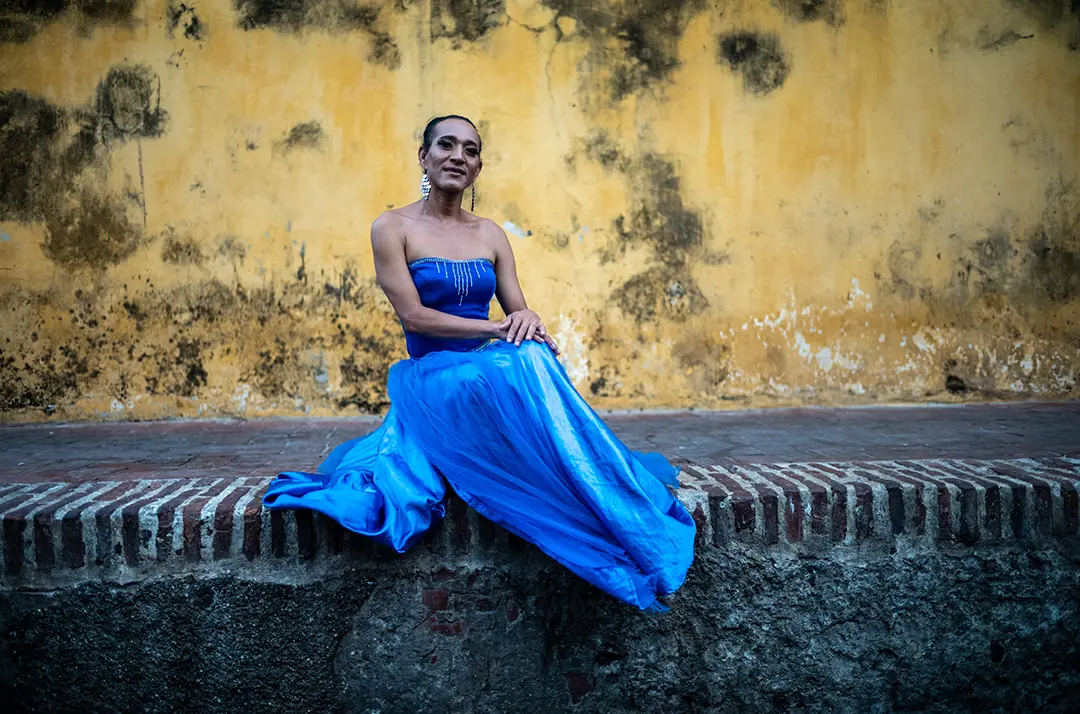
LGBTQIA+
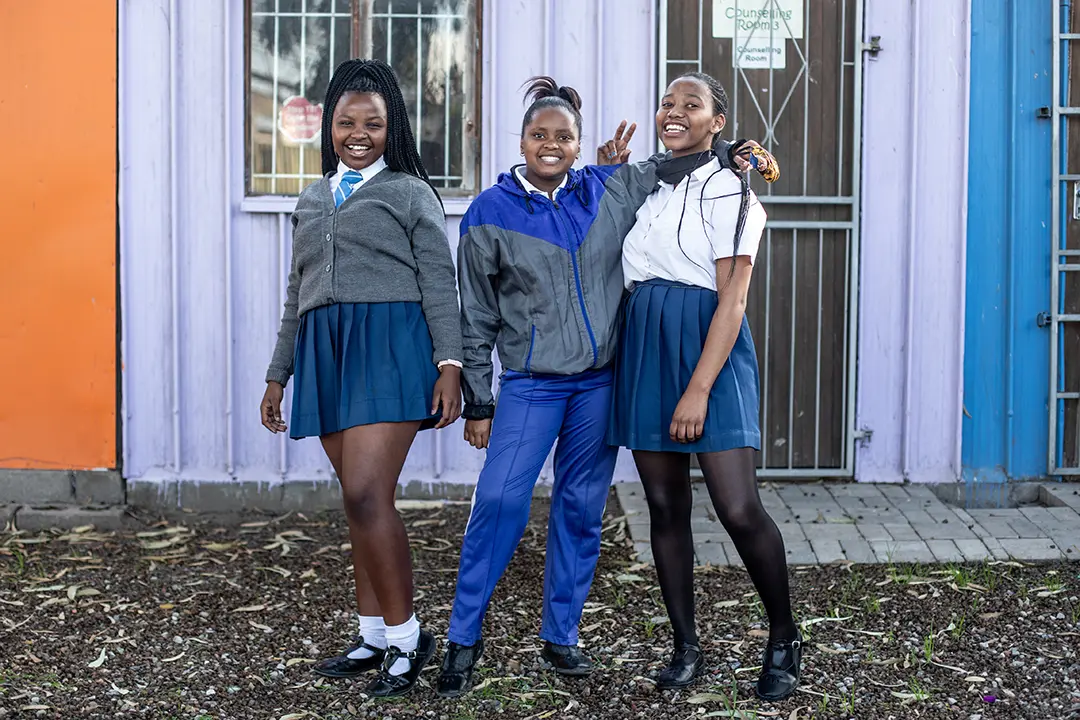
Women & Girls
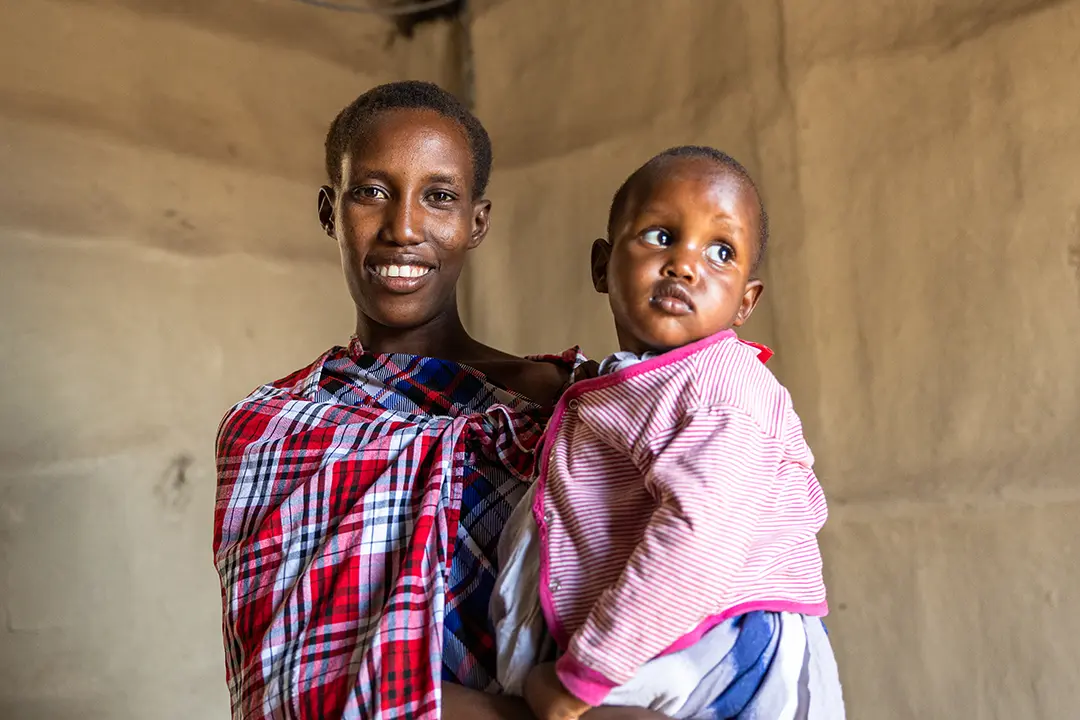
Health Workers
Access to Treatment
HIV Prevention and Education
Strengthening Health Systems
Antiretroviral drugs (ARVs) to prevent mother-to-child transmission of HIV have been one of the most successful achievements in the HIV fight. Yet expanding access to HIV testing and treatment for pregnant women remains a challenge, particularly where stigma, financial barriers, and gaps in basic maternal healthcare persist. (RED) supports Global Fund programs that ensure pregnant women have access to health education, HIV testing, treatment, and high-quality maternal and newborn care. Women are encouraged to get tested regularly so they know their HIV status and can access the care they need to protect their babies. Diagnostics for HIV-exposed infants are also critical to ensure they receive appropriate care and remain HIV-free throughout breastfeeding.
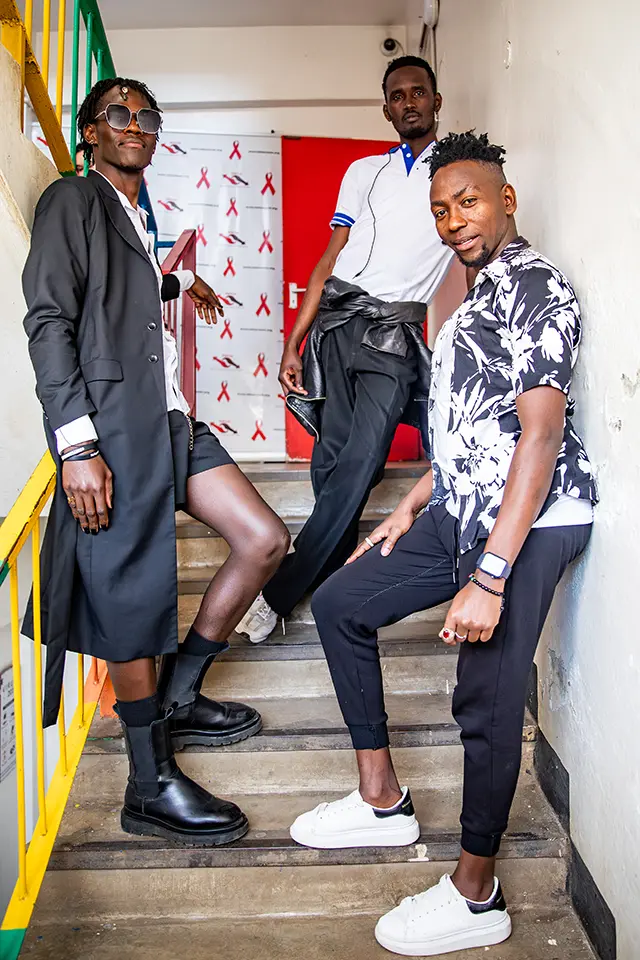
LGBTQIA+ people are at heightened risk of contracting HIV and struggle to access treatment. Gay men are 23x more likely to contract HIV than heterosexual men. LGBTQIA+ people face significant barriers to accessing prevention and treatment services due to social discrimination, risk of physical violence, and in some countries, imprisonment. (RED)-supported Global Fund grants enable trusted community organizations to provide services in a safe environment so that LGBTQIA+ people have access to prevention, treatment, and care services.
Poverty, gender-based inequality, discrimination, violence, and limited access to education and sexual and reproductive health services can leave women and girls, particularly adolescent girls and young women, more vulnerable to HIV. Addressing these inequities is essential to ensuring women and girls have the knowledge, resources, and agency to protect their health. (RED) supports programs that equip women and girls with knowledge about their bodies and the power to make decisions about their own health. Prevention practices such as education, PrEP, and contraception are encouraged for women and girls who are HIV-negative but face barriers to prevention. For women living with HIV, peer support groups help participants adhere to treatment and address social stigma. These programs also engage boys and men to challenge harmful gender norms and encourage mindset and behavior change.
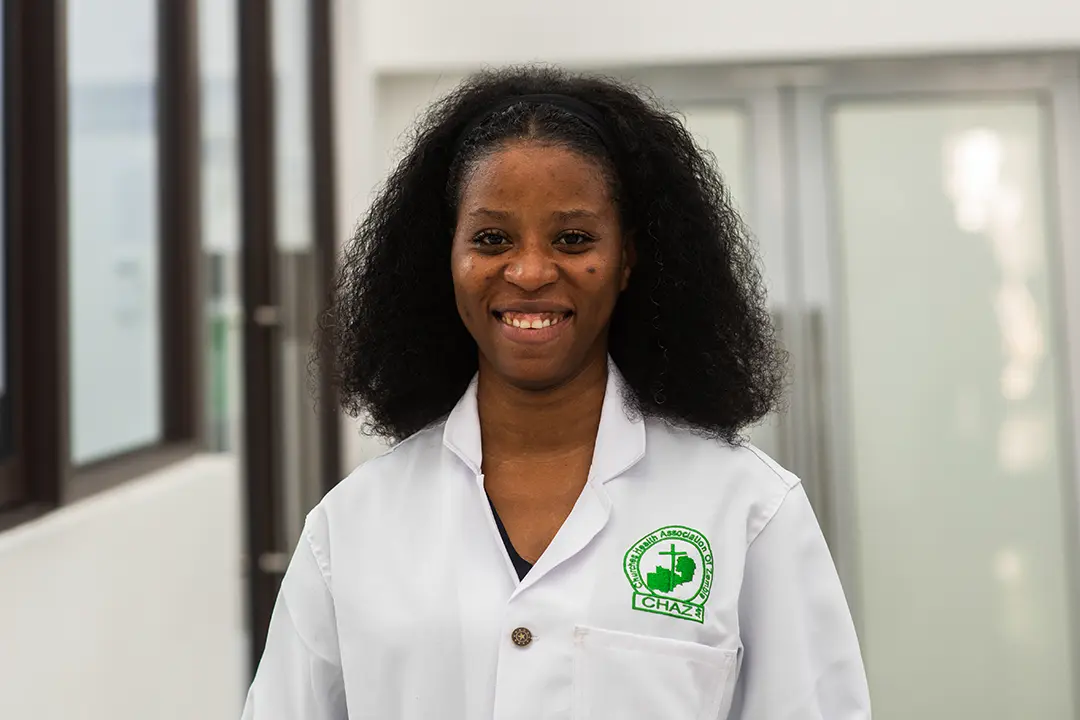
Community health workers are on the front lines of the fight against HIV, often serving people who formal health systems cannot easily reach. In many of the hardest-hit communities, they are the ones who show up, going door to door to encourage HIV testing, deliver medication, and connect people to care. By building trust and meeting people where they are, community health workers help people stay engaged in treatment over time. Stigma, distance, and distrust of formal health institutions can keep people from seeking care, and community health workers help close that gap. (RED)-supported Global Fund programs help train and equip community health workers so that prevention, testing, and treatment services are available to communities that might otherwise be left behind.
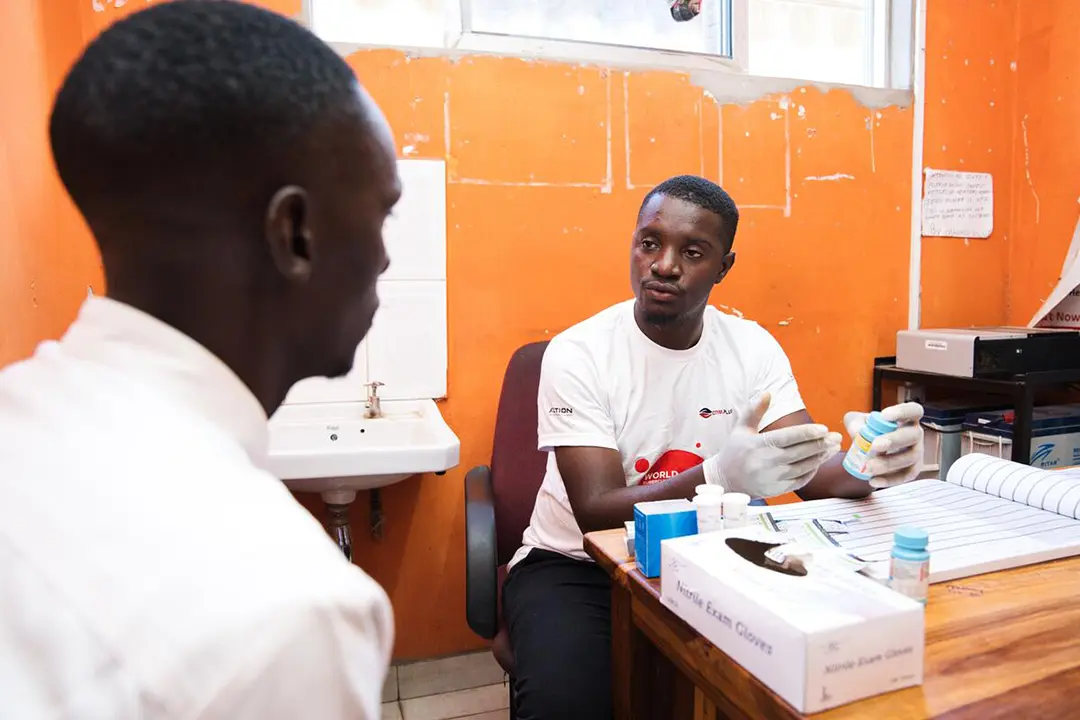
HIV treatment has transformed what it means to live with HIV. Antiretroviral therapy (ART) allows people living with HIV to live long, healthy lives and, when taken consistently, suppresses the virus to undetectable levels so it cannot be sexually transmitted. Yet millions of people still face barriers to starting and staying on treatment, including stigma, distance, and gaps in healthcare access. (RED) helps support programs that expand access to HIV testing, treatment, and the care and support people need to stay on treatment over time. By helping people start treatment and remain engaged in care, these programs improve health outcomes and help prevent new HIV transmissions.
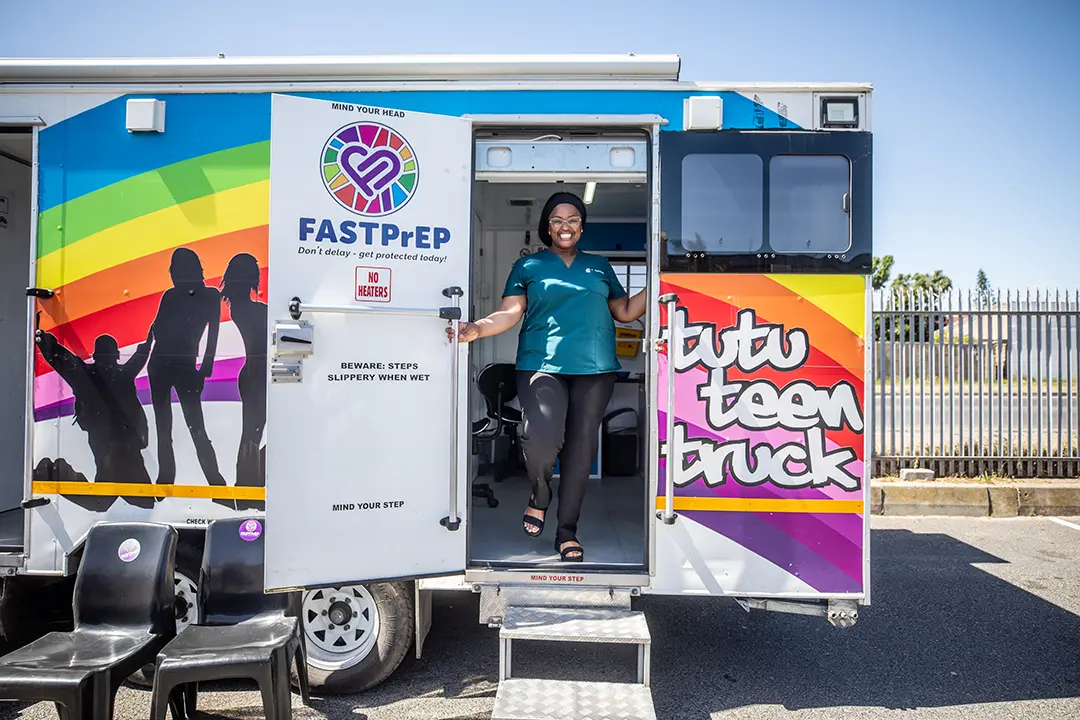
Prevention and education remain among the most powerful tools for stopping HIV before it starts. Comprehensive sex education, access to condoms, and prevention medications like PrEP empower people to protect themselves and make informed decisions about their health. New tools are expanding what’s possible, offering more flexible options that can help overcome barriers like daily adherence and stigma that have historically kept people from using prevention consistently. These programs help expand access to HIV education, testing, and prevention tools so that people have the knowledge and resources they need to protect their health and fewer people acquire HIV in the first place.
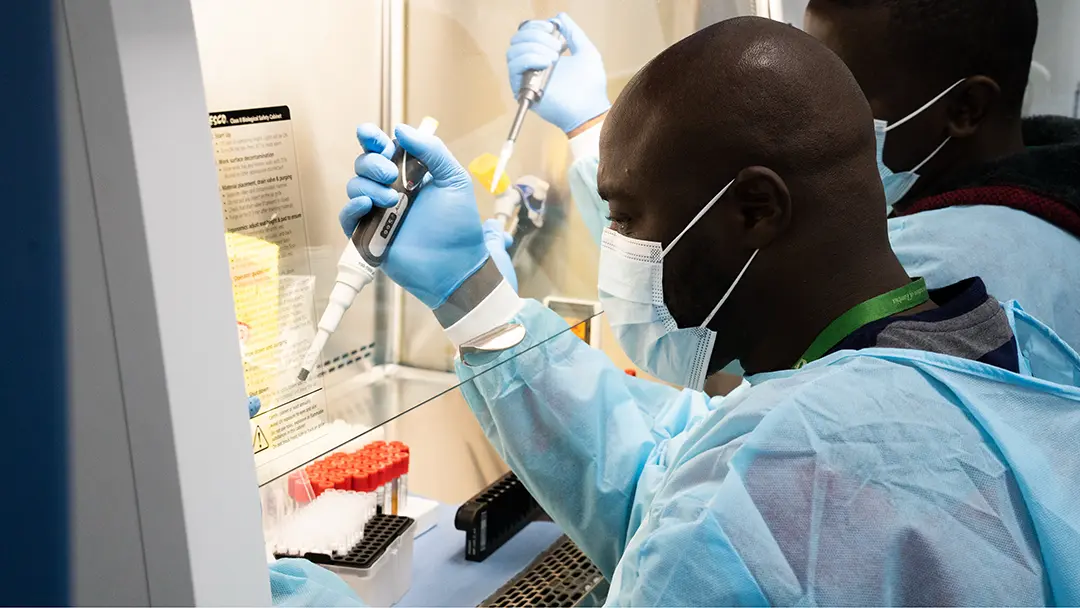
Strong health systems are essential to ending HIV and preparing for future health threats. Yet in many low-resource settings, health facilities lack the supplies, trained health workers, data systems, and infrastructure needed to provide quality care and respond to emerging challenges. These programs strengthen the systems that communities rely on every day, from training and equipping health workers to improving supply chains, diagnostics, data systems, and community-based care. By investing in stronger, more resilient health systems, these programs help ensure people can access quality care while strengthening countries’ ability to respond to future diseases and pandemics.
With access to treatment, HIV+ pregnant women can reduce the risk of passing the virus on to their child to less than 1%. Still, over 325 babies are born with HIV daily.
Gay men and other men who have sex with men are 18x more likely to acquire HIV than the general adult population; transgender women are 17x more likely.
In sub-Saharan Africa, young women are 3x more likely than men to contract HIV.
Italy has one doctor for every 244 people, Zambia has 1 doctor for every 3,333 people.
26.9 million people globally are accessing antiretroviral therapy.
PrEP is 99% effective in preventing HIV transmission.
The Global Fund is the largest provider of grants for health systems.
The Goal
20 years of turning
attention into action
20 years of turning
attention into action
20 years of turning
attention into action
20 years of turning
attention into action
95/95/95
95/95/95
95% of people living with HIV know their status, 95% of people who know their HIV status are on treatment, and 95% of people on treatment are virally suppressed. Reaching all three UN targets puts a country on track to end AIDS as a public health threat.
95% of people living with HIV know their status,
95% of people who know their HIV status are on treatment, and 95% of people on treatment are virally suppressed. Reaching all three UN targets puts a country on track to end AIDS as a public health threat.
$800
$800
$800
(M)+
Raised for the Global Fund
Raised for the Global Fund
375
375
375
(M)+
People reached by supported programs
People reached by supported programs
20
20
20
(YEARS)
Years in the fight to end AIDS
Years in the fight to end AIDS
EST. 2006
$25providesmorethan9monthsoflife-savingHIVmedication.
faqs
GOT QUESTIONS?
We’ve got answers
GOT QUESTIONS?
We’ve got answers
Yes…you have the power to save lives.
Yes…you have the power to save lives.
What is the Global Fund?
The Global Fund is the world’s largest multilateral funder of grants to fight HIV/AIDS, tuberculosis (TB), and malaria. Since its founding in 2002, the Global Fund has invested more than US$69 billion in programs across more than 100 countries, working with governments, communities, civil society, health workers, and private sector partners to save lives and strengthen health systems. Together, these efforts have saved 70 million lives and cut the combined death rate from HIV, TB, and malaria by more than half since 2002.
How is the money that (RED) raised for the Global Fund used?
Money generated by (RED) goes to the Global Fund to support HIV/AIDS programs in countries disproportionately impacted by HIV. These programs fund critical services including HIV testing, prevention, treatment and care, while strengthening the health workers and community systems that deliver them. All Global Fund programs are developed and implemented by local experts in the countries where the funding is deployed, helping ensure that programs respond to the needs of the communities they serve. The majority of (RED)-supported grants operate in sub-Saharan Africa, home to more than two-thirds of the world’s people living with HIV. (RED) and the Global Fund work closely together to ensure these funds are distributed effectively and transparently.
Is (RED) a 501(c)(3)?
(RED) is a division of The ONE Campaign, a global, nonpartisan organization advocating for the investments needed to create economic opportunities and healthier lives in Africa. ONE combines data, grassroots activism, political engagement and strategic partnerships to influence decision-makers and drive action on issues including global health, poverty and economic opportunity. While (RED)’s efforts focus on raising money for the Global Fund to fight AIDS and strengthen health systems, ONE uses advocacy and campaigning to push governments and other decision-makers to make the investments and policy choices needed to create a more just and equitable future. Together, (RED) and ONE bring different tools and approaches to the shared goal of building a healthier, fairer world.
Is my donation tax deductible?
Fund for the Global Fund, which is the recipient of your gift, is a 501(c)(3) public charity supporting work of the Global Fund to Fight AIDS, Tuberculosis, and Malaria. Your donation is tax-deductible within the guidelines of U.S. law. To claim a donation as a deduction on your U.S. taxes, please keep your email donation receipt as your official record. We'll send it to you upon successful completion of your donation.
(RED)ITORIAL
Stay up to date on the latest happenings, and all the ways you can choose (RED) and fight AIDS.
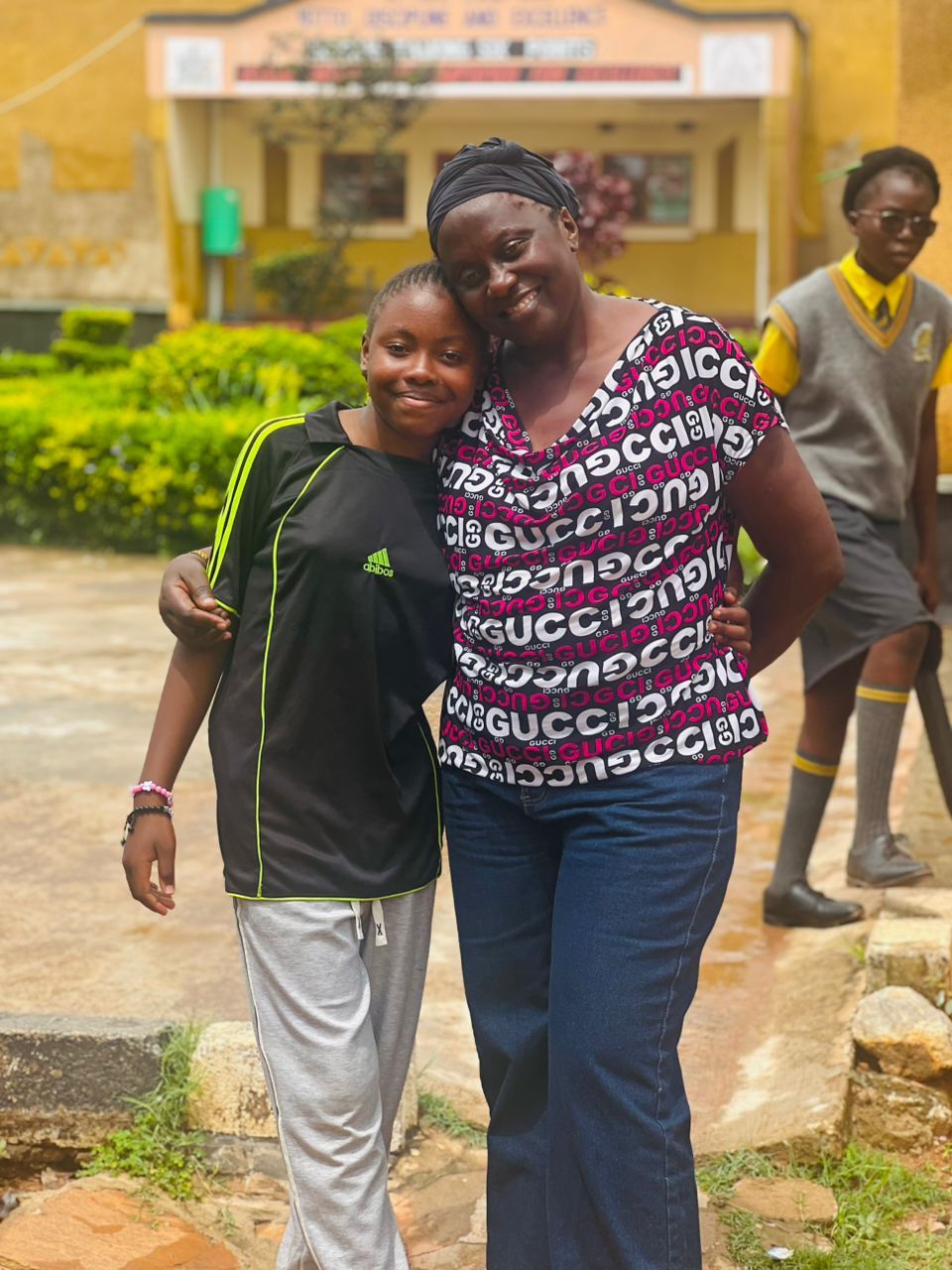


(RED)ITORIAL
Stay up to date on the latest happenings, and all the ways you can choose (RED) and fight AIDS.
(RED)ITORIAL
Stay up to date on the latest happenings, and all the ways you can choose (RED) and fight AIDS.
(RED)ITORIAL
Stay up to date on the latest happenings, and all the ways you can choose (RED) and fight AIDS.
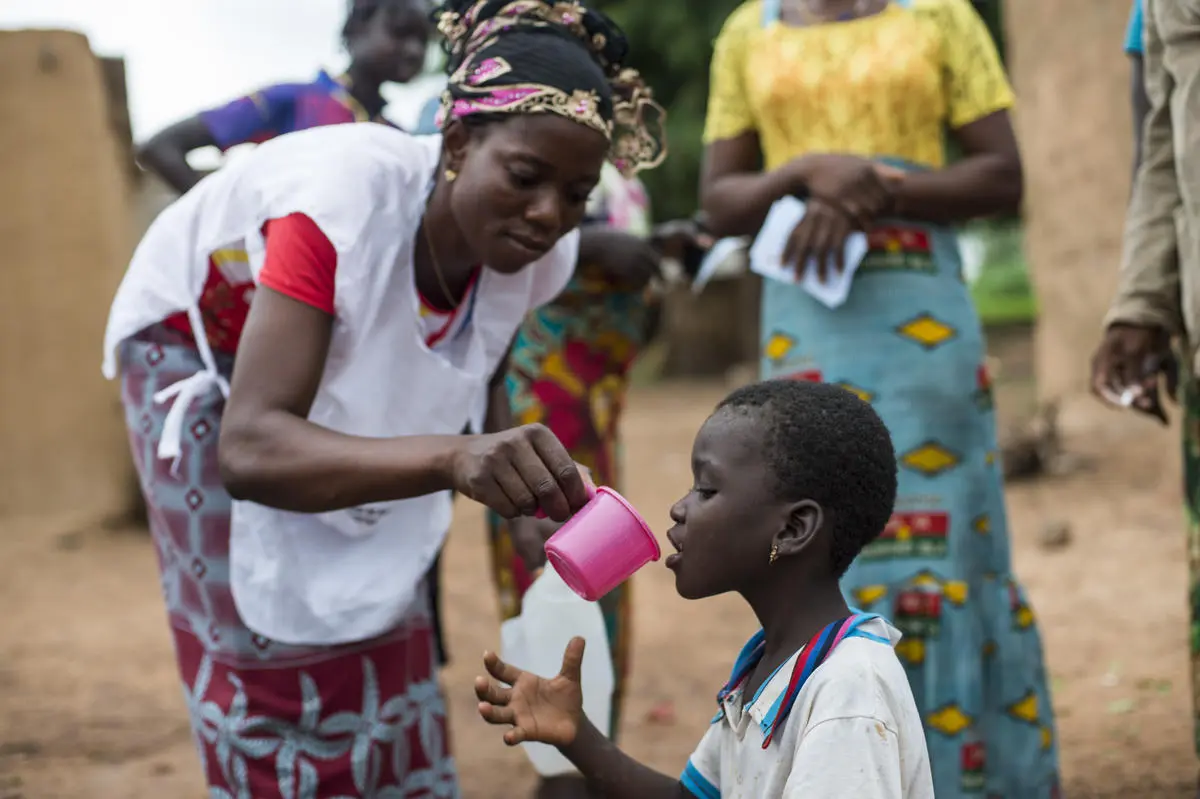


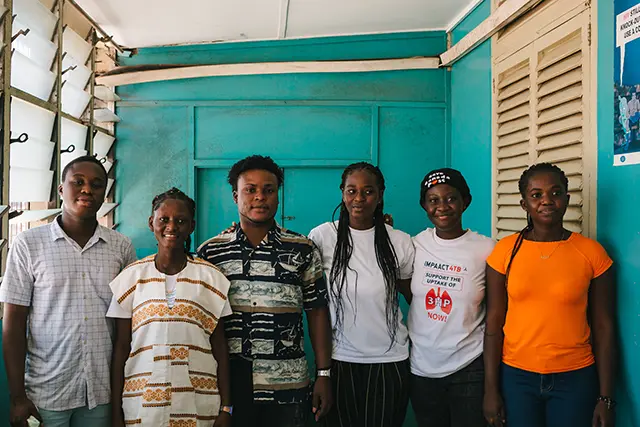


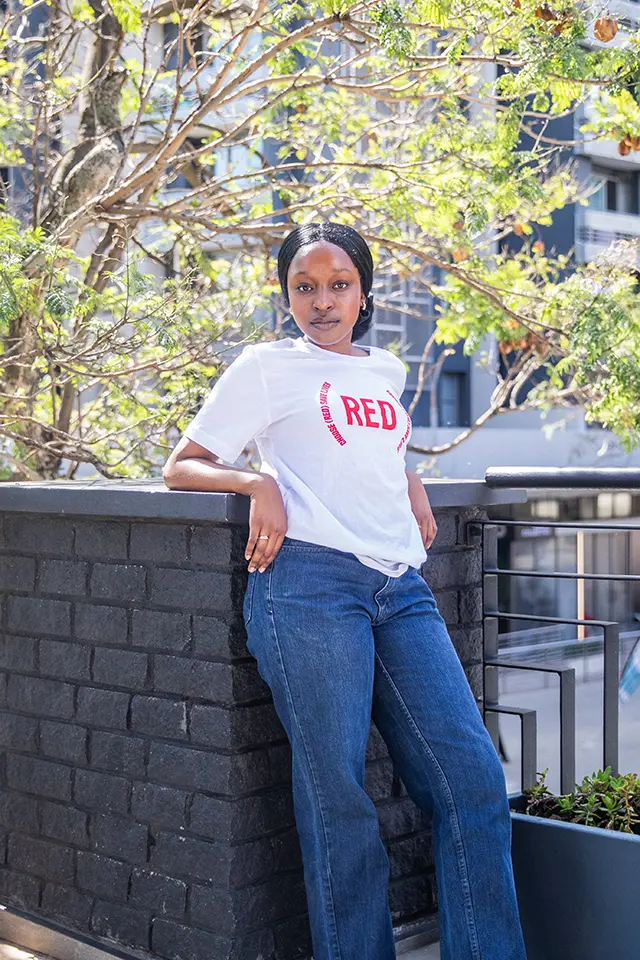




Heard enough?
Join the fight.
(RED) partners with brands and people to fund the Global Fund’s fight against AIDS.
Heard enough?
Join the fight.
(RED) partners with brands and people to fund the Global Fund’s fight against AIDS.
Heard enough?
Join the fight.
(RED) partners with brands and people to fund the Global Fund’s fight against AIDS.
Heard enough?
Join the fight.
(RED) partners with brands and people to fund the Global Fund’s fight against AIDS.